
THE EMPOWERMENT OF WOMEN AND GIRLS WITH DISABILITES
THE EMPOWERMENT OF WOMEN AND GIRLS WITH DISABILITES
It is estimated that more than one billion people in the world experience some form of disability. The average prevalence rate in the female population 18 years and older is 19.2 per cent, compared to 12 per cent for males,1 representing about 1 in 5 women. Women with disabilities are not a homogenous group. They experience a range and variety of impairments, including physical, psychosocial, intellectual and sensory conditions, that may or may not come with functional limitations. The diversity of women and girls with disabilities also includes those with multiple and intersecting identities, such as being from a particular social class or ethnic, religious and racial background; refugee, migrant, asylum-seeking and internally displaced women; LGBTQI+ persons; women living with and affected by HIV; young and older women; and widowed women, across all contexts. The systemic marginalization, attitudinal and environmental barriers they face lead to lower economic and social status; increased risk of violence and abuse including sexual violence; discrimination as well as harmful gender-based discriminatory practices; and barriers to access education, health care including sexual and reproductive health, information and services, and justice as well as civic and political participation. This hinders their participation on an equal basis with others. International and national laws and policies on the rights of persons with disabilities have historically neglected aspects of gender equality. Similarly, laws and policies addressing gender equality have traditionally ignored the rights of women and girls with disabilities. Systemic barriers coupled with the failure to prioritize the collection of data on the situation of women and girls with disabilities have perpetuated the invisibility and situation of multiple and intersecting forms of discrimination that excludes them from various aspects of life as well as across the humanitariandevelopment continuum. UN Women’s Strategy: The Empowerment of Women and Girls with Disabilities – Towards Full and Effective Participation and Gender Equality was developed to ensure a more systematic approach to strengthen the inclusion of the rights of women and girls with disabilities in UN Women’s efforts to achieve gender equality, empowerment of all women and girls, and the realization of their rights. The Strategy aligns with UN Women’s Strategic Plan 2018–2021 and commitments made in the common chapter to the Strategic Plans of UNDP, UNFPA, UNICEF and UN Women, and further builds upon UN Women’s work in the area of empowerment of women and girls with disabilities. To effectively implement this Strategy, UN Women will continue to leverage its triple mandate: its expertise in the area of gender equality and empowerment of women and girls, its operational presence and its longstanding relationship with civil society actors. UN Women will carry out its mandate and support Member States and other partners to accelerate progress towards gender equality and the empowerment and full and effective participation of women and girls with disabilities, in line with commitments of the Beijing Declaration and Platform for Action, the Convention on the Elimination of All Forms of Discrimination Against Women (CEDAW), the Convention on the Rights of Persons with Disabilities (CRPD) and Transforming our World: the 2030 Agenda on Sustainable Development (2030 Agenda).
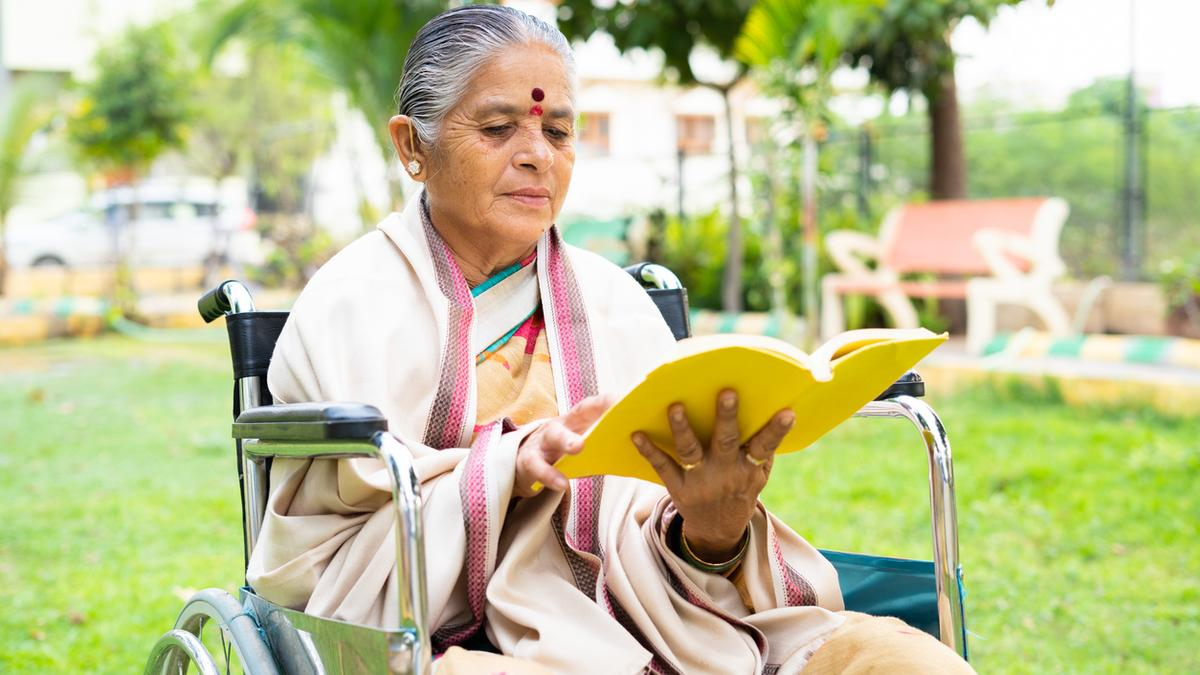
To ensure that no one is left behind, it is essential that an and intersectional approach is adopted in line with UN Women’s guiding principles. An intersectional approach takes into consideration all conditions that create the substantively distinct life experience of an individual based on factors such as such as sex, disability race, ethnicity, religion or belief, health, status, age, and class.3 This will require a paradigm shift, where all women and girls with disabilities, in all their diversity and across their life course are included as equal partners across the humanitarian–development continuum, and their rights and agency are fully realized. Consistent with the gender mainstreaming approach, UN Women proposes the use of a multi-pronged approach in all areas of its work within UN Women and through our coordination, normative and operational responses, including in collaboration with and support to partners. The approach consists of (a) mainstreaming a gender perspective and the rights of persons with disabilities of all ages, (b) initiatives targeting women and girls with disabilities, and (c) inclusion of women and girls with disabilities. Leveraging this approach, UN Women will provide normative guidance, integrated policy advice, operational assistance for support and technical programme development and capacity development to contribute to ensuring that all initiatives are gender-responsive and disability-inclusive. • UN Women will strengthen normative frameworks, policies and programmes to become genderresponsive and inclusive of women and girls with disabilities. In this regard, UN Women will contribute to (i) the collection, analysis and dissemination of reliable data and statistics on women and girls with disabilities to inform policies, programmes and other initiatives, (ii) the design and implementation of innovative and accessible solutions and initiatives to address structural barriers, and (iii) addressing multiple and intersecting forms of discrimination experienced by women and girls with disabilities, recognizing that the lived realities and experiences of heightened disadvantage of individuals caused by structural barriers. • UN Women will also build synergies through collaboration and partnerships, to enhance the capacities, knowledge and networks that each partner brings. The leadership of partners including organizations and networks of women and girls with disabilities, their representative organizations, other organizations foundations, of women’s organizations, persons international with disabilities, non-governmental organizations (INGOs), Member States, the private sector, and research and academic institutions can strategically contribute to the empowerment of women and girls with disabilities. • To more effectively work with and support partners, UN Women will take specific steps to review its approach, services and facilities to become more accessible and inclusive to persons with disabilities, particularly all women and girls with disabilities, and promote inclusive attitudes at the workplace. This will be done including through promoting reasonable accommodation and universal design in all areas of its work, and through enhancing its internal capacities for inclusion and diversity, and other actions.