
Learning Concept: Transforming Education for Lifelong Success
Learning Concept: Transforming Education for Lifelong Success
Learning is the foundation of human development and progress. From early childhood to adulthood, learning shapes our knowledge, skills, attitudes, and values. In the modern educational landscape, the concept of learning has evolved far beyond memorization and rote methods. Today, learning is viewed as a dynamic, continuous, and meaningful process that enables individuals to think critically, solve problems, and adapt to change. Understanding the true concept of learning is essential for educators who aim to create impactful and transformative classroom experiences.
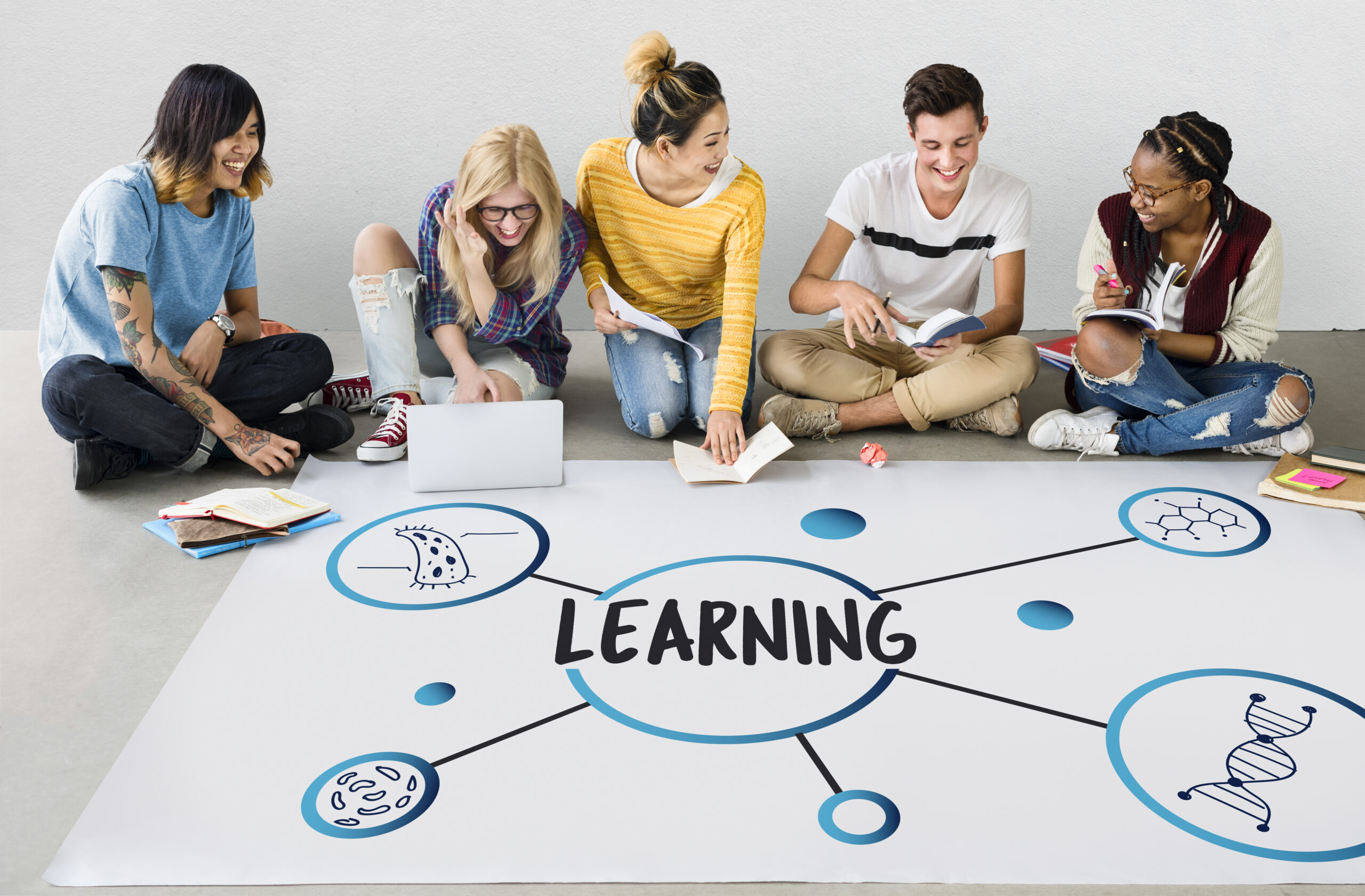
At its core, learning can be defined as a relatively permanent change in behavior, understanding, or capability that occurs as a result of experience, study, or practice. It involves not only acquiring information but also interpreting, analyzing, and applying that information in real-life situations. True learning reflects growth—intellectual, emotional, social, and moral. Therefore, education systems must focus on holistic development rather than limiting success to examination scores.
The concept of learning includes three major domains: cognitive, affective, and psychomotor. The cognitive domain relates to intellectual abilities such as remembering, understanding, analyzing, evaluating, and creating. The affective domain focuses on emotions, attitudes, values, and motivation. The psychomotor domain involves physical skills and coordination. Effective teaching strategies address all three domains to ensure balanced growth. For example, while teaching a science lesson, a teacher may explain concepts (cognitive), encourage curiosity and teamwork (affective), and conduct experiments (psychomotor).
Learning theories have significantly influenced classroom practices. Behaviorist theory emphasizes reinforcement and observable behavior changes. According to this view, positive reinforcement encourages desired learning outcomes. Cognitivist theory, on the other hand, highlights mental processes such as thinking, memory, and problem-solving. Constructivist theory suggests that learners actively construct knowledge through experiences and interactions. In modern classrooms, educators often combine these approaches to meet diverse student needs.
Student-centered learning has become a central pillar of the modern learning concept. In traditional classrooms, teachers were the primary source of knowledge, and students passively received information. However, contemporary education promotes active participation. Students engage in discussions, group work, projects, and inquiry-based activities. Teachers act as facilitators and mentors, guiding students toward discovery and understanding. This shift increases confidence, creativity, and ownership of learning.
Active learning strategies enhance retention and understanding. Techniques such as project-based learning, case studies, debates, role-plays, brainstorming sessions, and collaborative tasks make lessons interactive and meaningful. When students connect theoretical knowledge to practical applications, learning becomes long-lasting. For example, instead of only reading about environmental conservation, students can participate in tree plantation drives or awareness campaigns.
Technology has revolutionized the learning process. Smart boards, digital presentations, educational applications, online platforms, and multimedia tools have expanded access to knowledge. Blended learning models combine traditional teaching with digital resources, offering flexibility and personalization. Technology supports different learning styles—visual, auditory, and kinesthetic—making education inclusive. However, technology should be used thoughtfully to enhance learning rather than replace meaningful teacher-student interaction.
Motivation plays a critical role in effective learning. Intrinsic motivation, which arises from genuine interest, leads to deeper engagement. Extrinsic motivation, such as rewards and recognition, can also encourage participation. Teachers can foster motivation by setting achievable goals, providing constructive feedback, celebrating progress, and creating a supportive classroom environment. A positive atmosphere where mistakes are seen as learning opportunities builds resilience and confidence.
Assessment is another essential component of the learning concept. Traditional assessment methods often focus solely on final examinations. However, continuous and comprehensive evaluation provides a clearer picture of student progress. Formative assessments, quizzes, peer evaluations, assignments, and reflective journals help identify strengths and areas for improvement. Constructive feedback guides learners toward growth and self-improvement.
Every learner is unique, possessing different abilities, interests, and learning styles. Inclusive education recognizes these differences and adapts teaching methods accordingly. Differentiated instruction allows teachers to modify content, process, and assessment based on student needs. For instance, some students may grasp concepts better through visual aids, while others prefer hands-on activities or verbal explanations. Recognizing diversity ensures equal learning opportunities.
Experiential learning strengthens conceptual understanding. Field visits, community projects, internships, and real-life problem-solving tasks provide authentic learning experiences. When students apply classroom knowledge to real-world contexts, they develop critical thinking and practical skills. Experiential learning also enhances collaboration, leadership, and communication abilities.
Social and emotional learning (SEL) has gained importance in recent years. Education is not only about academic excellence but also about developing empathy, self-awareness, emotional regulation, and interpersonal skills. A classroom that nurtures respect, kindness, and cooperation prepares students to become responsible citizens. Teachers play a significant role in modeling positive behavior and guiding students toward ethical decision-making.
Collaborative learning encourages teamwork and shared responsibility. Group discussions and cooperative tasks allow students to learn from one another. Peer interaction promotes communication skills, tolerance, and mutual respect. Collaborative learning also mirrors real-world professional environments where teamwork is essential.
Another important aspect of the learning concept is lifelong learning. In a rapidly changing world driven by innovation and globalization, continuous learning is necessary for personal and professional growth. Schools should cultivate curiosity and a love for learning that extends beyond textbooks. Encouraging reading habits, research skills, and self-directed learning empowers students to adapt to future challenges.
Parental involvement further enhances the learning process. When parents and teachers work together, students receive consistent support and encouragement. Regular communication between school and home creates a strong foundation for academic and emotional development.
In conclusion, the concept of learning has evolved into a comprehensive and transformative process. It integrates knowledge acquisition, skill development, emotional growth, and practical application. Effective learning environments are student-centered, inclusive, technology-supported, and assessment-driven. By embracing innovative strategies and fostering a culture of curiosity, educators can empower learners to achieve their full potential. Learning is not merely preparation for life—it is life itself. When nurtured thoughtfully, it becomes a lifelong journey of discovery, growth, and success.
Author Bio
Varsha Sadhwani is a passionate educator and academic mentor dedicated to nurturing young minds through innovative and activity-based teaching methods. With experience in guiding primary and middle school students, she specializes in phonics training and foundational skill development. She believes in student-centered learning and holistic education that builds confidence, creativity, and lifelong learning habits in children.